Rotary and its PolioPlus partners are delivering much more than vaccines.
Healthcare
A 2013 article in Time magazine described Gadap Town as a “black hole” for government services. The settlement on the outskirts of the Pakistani megacity of Karachi was home to 400,000 people at that time but had only one basic health clinic and no sanitation or water treatment.
But in the decade since, Rotary and its partners in the Global Polio Eradication Initiative have done much in Gadap to address not only polio, which remains a challenge, but other health needs.
“Where you have a polio case or measles case, it’s kind of a litmus test for the failure of a health system,” says Melissa Corkum, UNICEF’s polio team lead in Pakistan.
The GPEI partnership, working with Pakistan’s government, has established numerous centers that integrate polio vaccination with other health services. It’s been part of Rotary’s polio eradication strategy from the beginning to address other pressing community needs — the “plus” in the PolioPlus program’s name — as a way to establish trust and credibility.
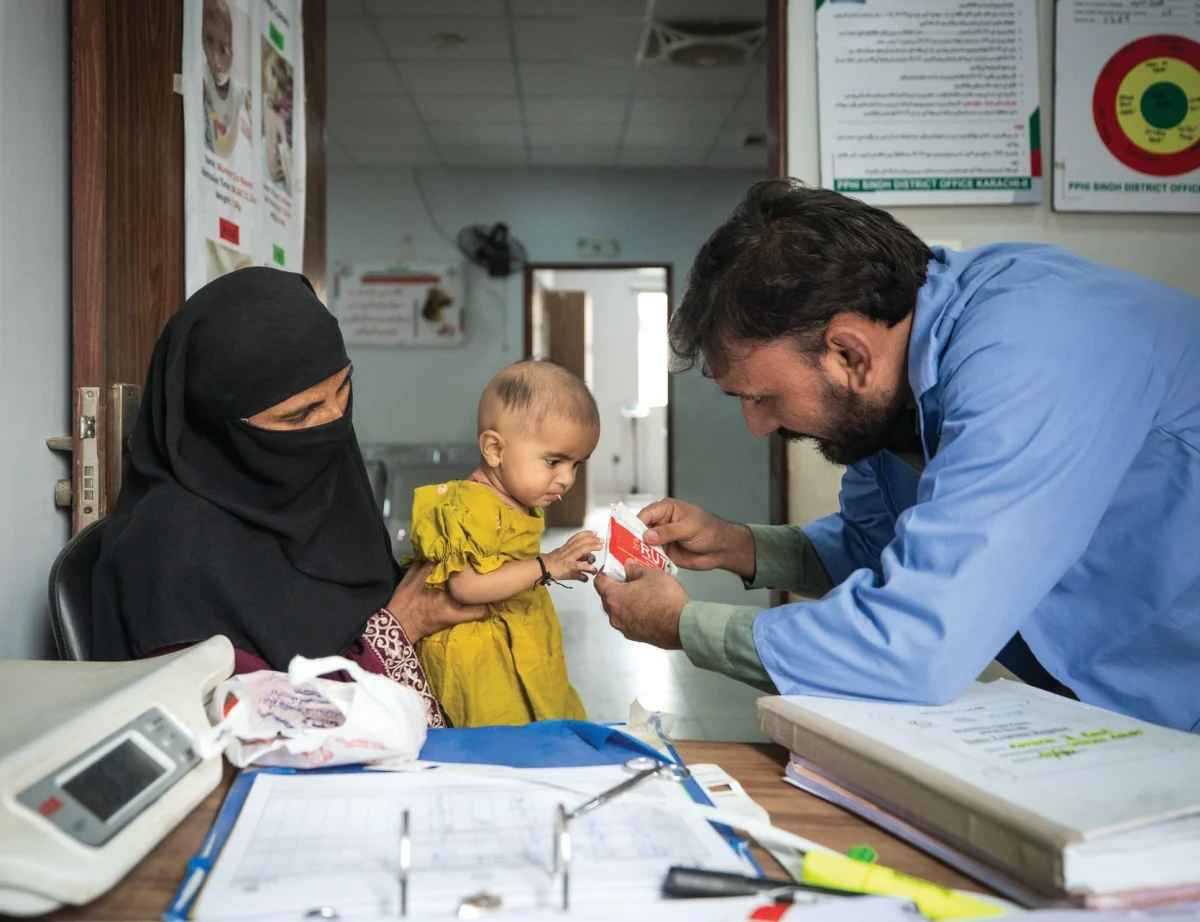
One of those pluses in Gadap is screening for malnutrition and providing therapeutic food, an important intervention in a country where more than a third of children under 5 are stunted.
“You’re providing something that is attractive and important for them as parents,” Corkum explains. And once they’re at the facility, health-care workers can provide immunizations for polio and other diseases.
Clean water
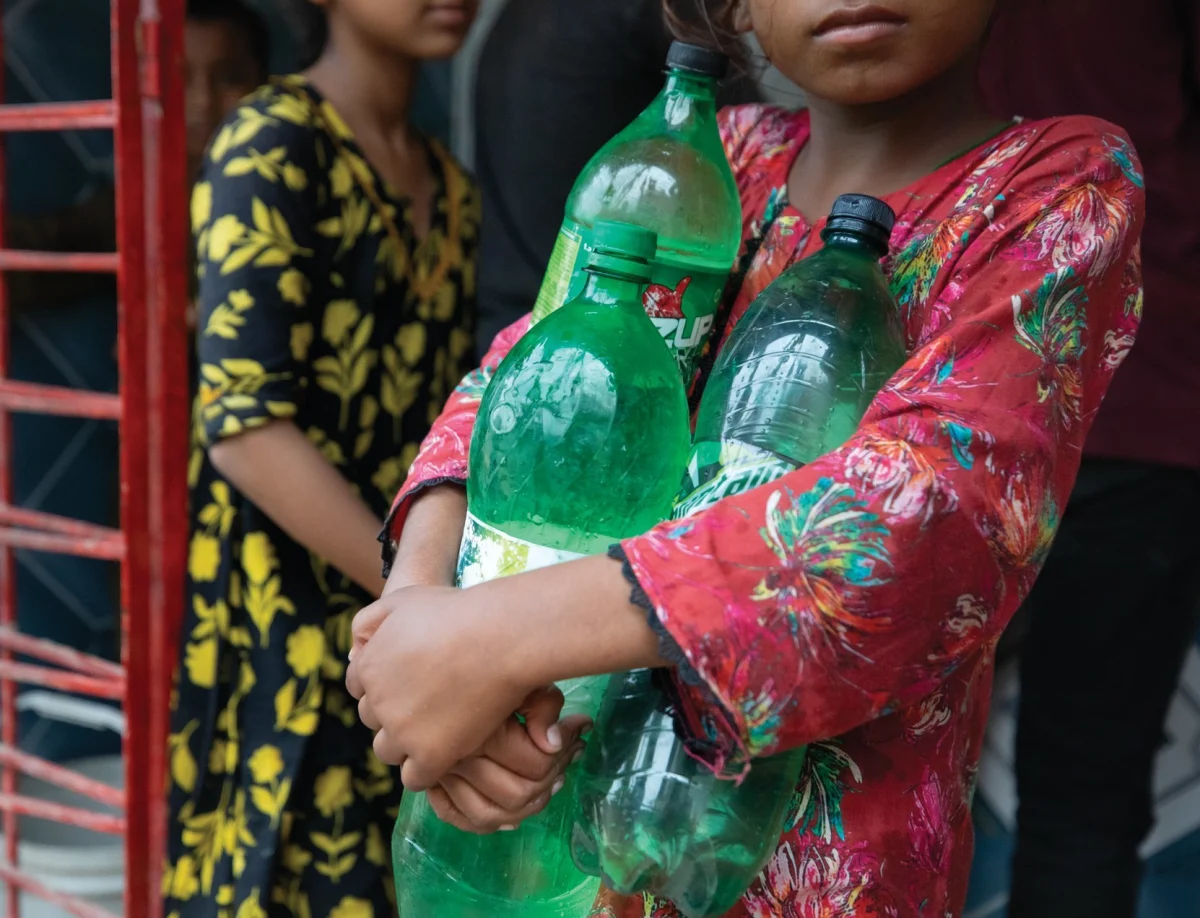
Polio and other diseases are transmitted through contaminated water, so safe drinking water is a priority for both residents and the polio eradication program. Since 2013, the Pakistan PolioPlus Committee has facilitated the construction of about 60 water filtration plants across the country. The plants are funded through a variety of channels, including four global grants from The Rotary Foundation since 2021. Rotarians from Japan have become especially involved, funding a dozen water filtration plants and visiting Pakistan nearly monthly.
Asher Ali, the project manager for the Pakistan PolioPlus Committee, says that Rotary has been active in the Gadap community of Khadim Solangi Goth since the early 2010s and installed a water filtration plant there several years ago. “The whole community was refusing vaccinations at some point in time,” says Ali, a member of the Rotary Club of Karachi. “Not now. Now they are very supportive because we have established our credibility.” In addition to supplying filtered water, Rotarians provide training to community members on hygiene and handwashing, and on the operation of the plants. “This bonds us with the community,” he says.
House calls
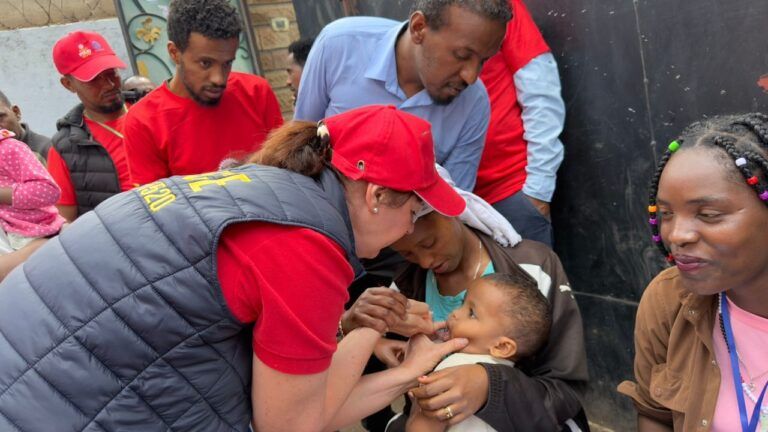
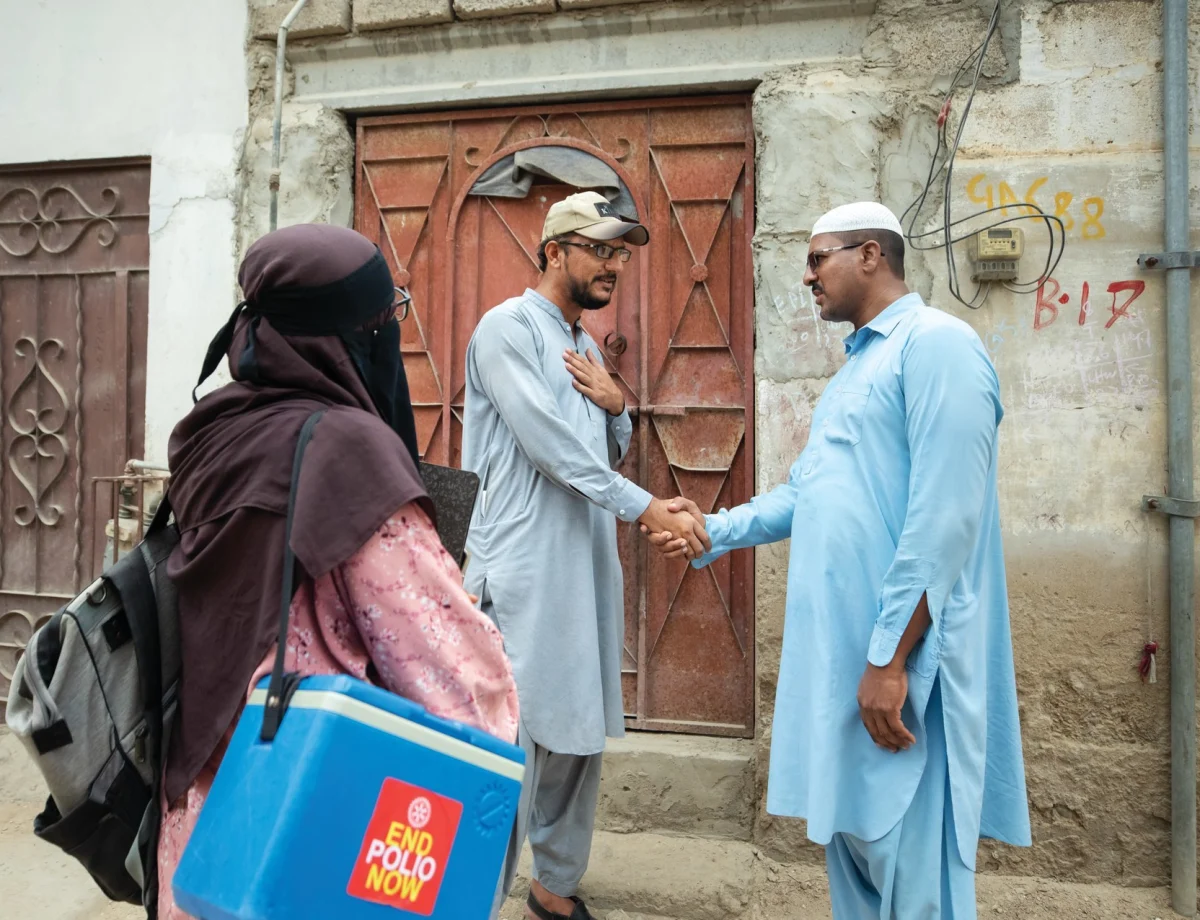
During house-to-house visits in July, a polio survivor (right) accompanies a health worker (left) to educate families in Gadap about the importance of allowing their children to receive the polio vaccine.
Health workers in the polio program have widened their reach by providing other routine immunizations. For example, the polio eradication initiative’s digitized registries of children who had never received any vaccines (referred to as “zero-dose” children) and its hyperlocal maps and frontline workers helped identify and vaccinate 2 million such children, according to the World Health Organization.
In late 2025, polio drops were integrated into a measles and rubella vaccination drive, according to WHO, which means that in addition to protecting 34 million children nationwide from measles and rubella, more than 19 million children in high-risk districts were also protected from polio. And during monsoon floods, polio teams are often among the first health responders to arrive.
UNICEF has a network in Pakistan of 5,000 community mobilizers who promote the polio vaccine. While they’re talking to families, they also incorporate messages about other health issues or community needs. “If the knocks on the door only for polio make people frustrated,” Corkum says, “then let’s look at how we can also widen the narrative to include other things that are important for parents.”
Innovation in access to care
Pakistan shares a porous border with Afghanistan, the only other country where polio is still endemic and one where eradication efforts are complicated by political and security concerns. People often travel between the two, driven by shared cultural and economic ties.
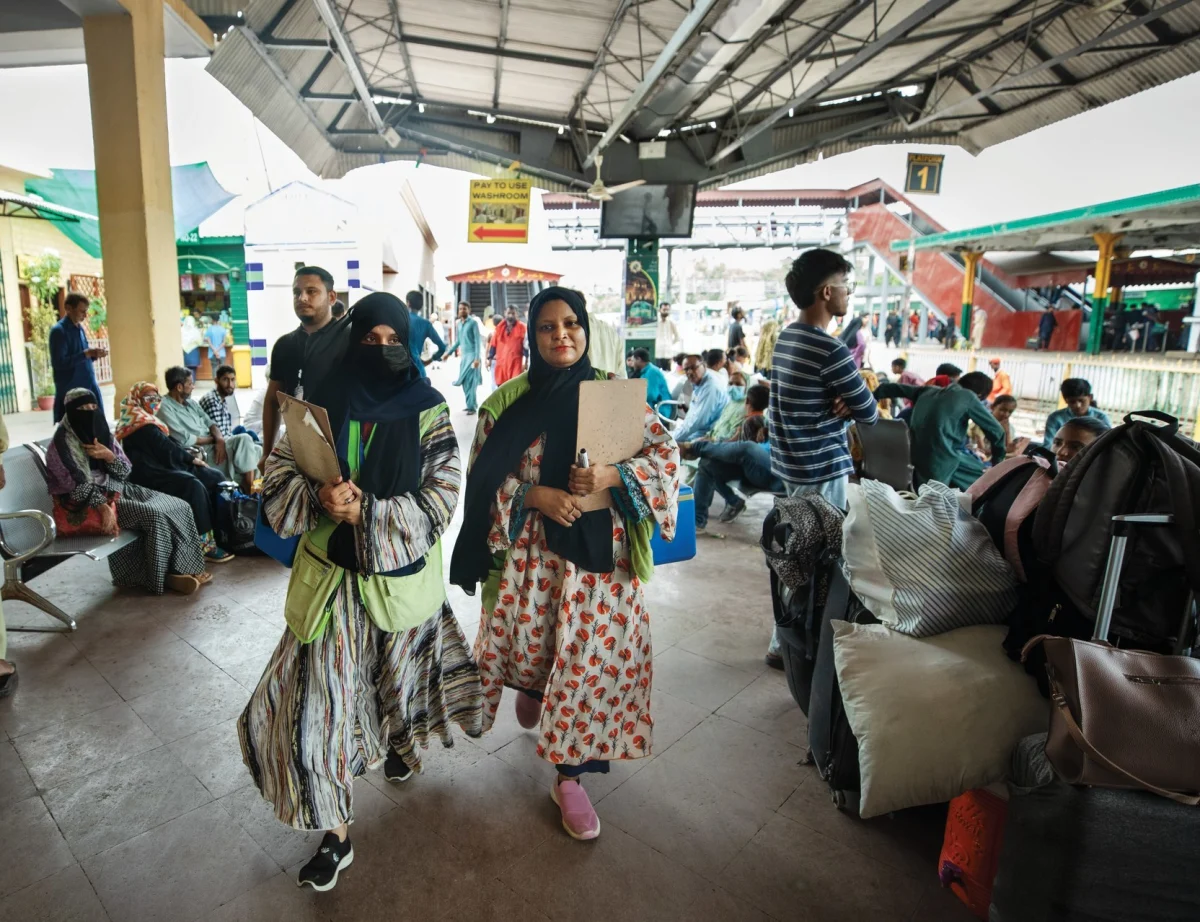
The polio eradication initiative has set up hundreds of permanent transit points along the border and at other major railway stations, bus stops, and highways to reach children who may have been traveling during polio immunization campaigns. Rotary in Pakistan has provided 48 repurposed shipping containers for the effort, which provide a place to keep vaccines cold and to shelter polio teams from the elements.
“We go to the buses,” explains Aziz Memon, chair of the Pakistan PolioPlus Committee and a past trustee of The Rotary Foundation. “We go in the trains. We use a variety of methods to reach each and every child.”
Polio workers board the transit vehicles to vaccinate children against polio, and vitamin A is sometimes co-administered to support growth, boost the immune system, and prevent visual impairments.
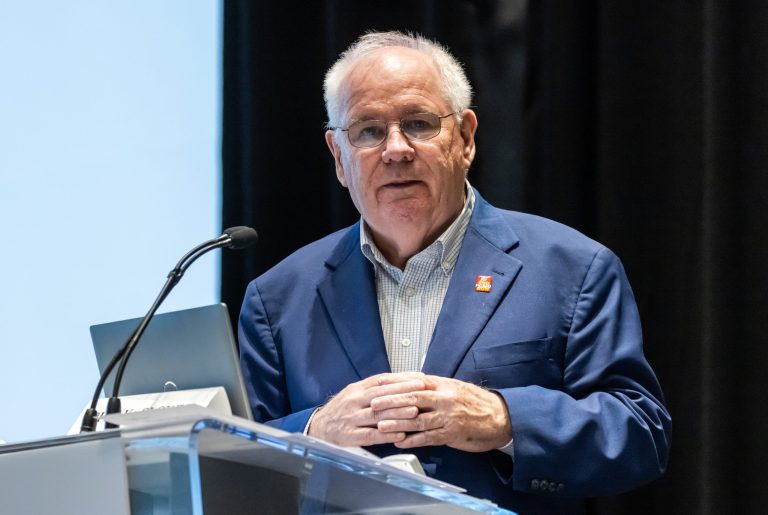
With only three cases of polio this year (as of 17 August), “Pakistan is making great progress,” says Michael K. McGovern, International PolioPlus Committee chair, “hindered only by a few communities where vaccinations are not allowed.” Those gains, he says, have been made thanks to the dedication of frontline workers, strong coordination among partners — and the many pluses in PolioPlus.
Original post : Rotary magazine – October 2026
Photography by Khaula Jamil

Ingénieur diplômé en systèmes d'information
Rotary Paris Agora - Président 2022-2023 - VP 25-26
District 1660 - Past DPIC, Responsable SI
Région 14 Image Publique - Adjoint RPIC - Webmaster
Cercle PolioPlus Co-fondateur, responsable technique